15 Years of Contextual Placemaking
2026 marks 15 years in practice for Define. Over that time, our work has evolved across projects, places and disciplines, shaping an approach to placemaking that is both contextual and people-focused.
Reflecting on that experience has allowed us to articulate the values and methods that consistently underpin successful places. The result is a set of 15 principles that define our approach to contextual placemaking. They are not intended as a checklist or isolated ideas, but as a connected design process — a way of thinking that guides how we listen, challenge, design and deliver.
These principles also sit comfortably alongside the Government’s recently identified ‘Seven Features of Well-Designed Places’. Both frameworks are rooted in the same ambition: to create places that are responsive, enduring and genuinely centred on people.

Our process begins with understanding. We start by Listening to our clients, carefully interrogating briefs and establishing shared ambitions from the outset.
Alongside this, we Lead with clarity and purpose, helping to shape collaborative conversations and guide projects forward with confidence.

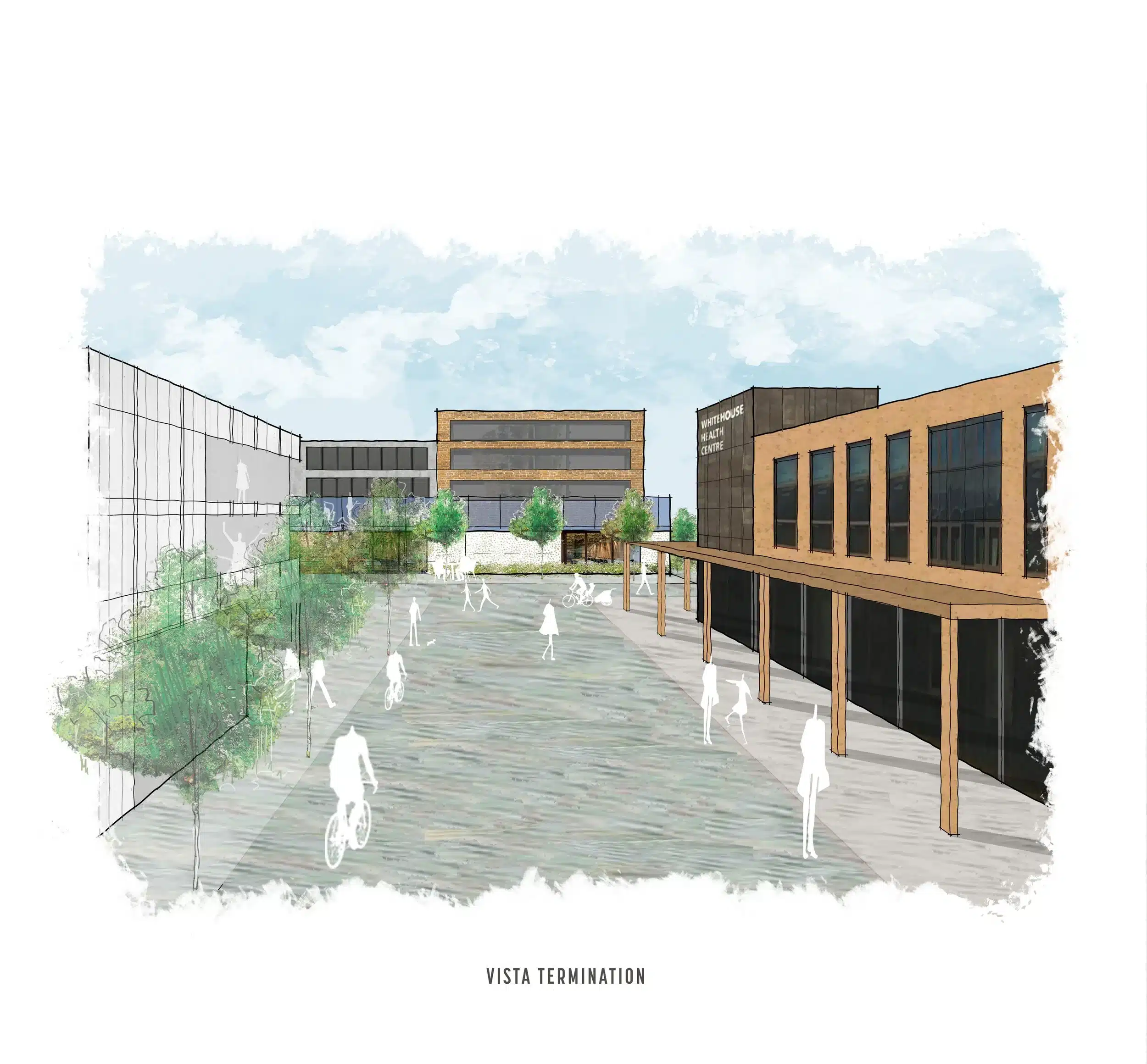
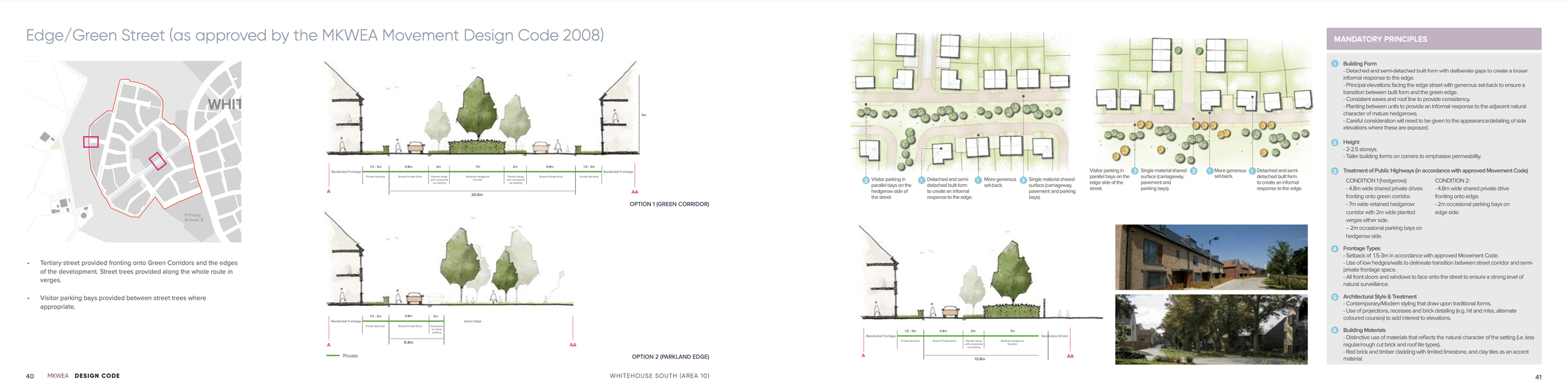
Equally important is the need to Understand the Place — immersing ourselves in the history, landscape, character and community of a site so that proposals are grounded in context and local identity.
From this understanding, ideas begin to emerge. We believe in Challenging Constraints, viewing limitations not as barriers, but as opportunities to strengthen proposals and uncover more inventive solutions.

This naturally leads to Establishing a Concept — creating a clear and robust design narrative that informs identity, movement and built form. Through this process, places become distinctive, coherent and rooted in their surroundings.
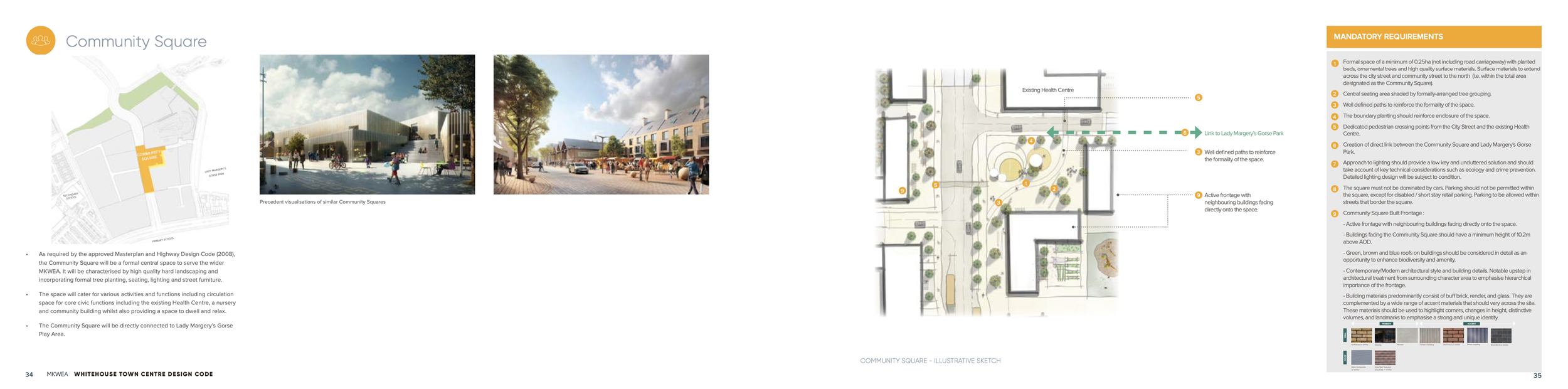
With a strong concept established, the focus shifts towards how people experience and inhabit place. We Design for Living by prioritising wellbeing, usability and social interaction, ensuring places support everyday life at every scale.

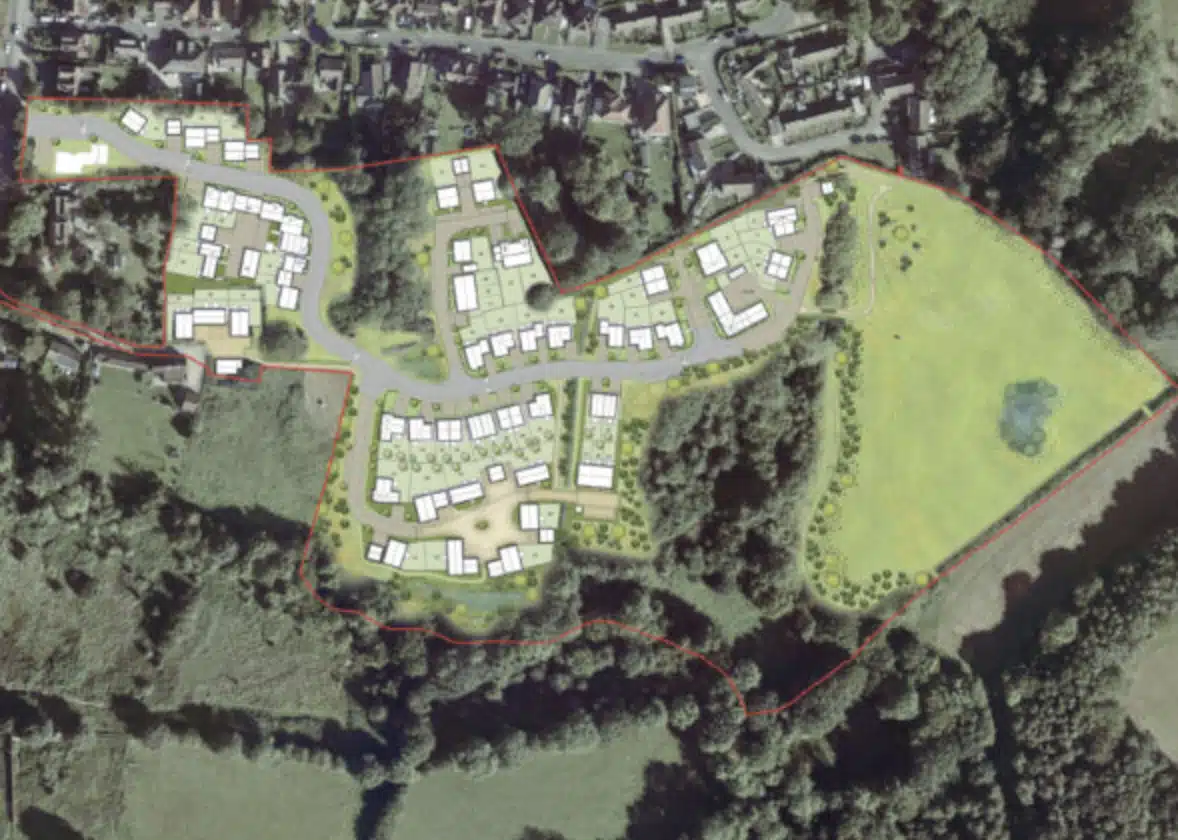
At the same time, we Find Space for Nature, embedding landscape and biodiversity into the design process to enhance resilience and quality of life.
Strong places also depend on connectivity, so we Forge Connections — physical, visual and social — creating environments that are accessible, walkable and integrated.

Together, these principles help to Create an Identity, allowing places to feel memorable and meaningful through an authentic expression of context rather than superficial branding.
Environmental responsibility is embedded throughout our approach. We Consider Climate by integrating sustainability, resilience and long-term thinking into every stage of the design process, ensuring places are adaptable and enduring.

Successful placemaking also relies on collaboration and communication. We Engage Openly, ensuring stakeholders are involved throughout the process and that projects benefit from meaningful dialogue.
We then Communicate Persuasively, using clear and confident storytelling to align ideas, build trust and maintain momentum.

Alongside this, we Utilise Technology to test, refine and communicate proposals more effectively, supporting informed decision-making at every stage.
The final stages of the process focus on delivery and long-term stewardship. We Deliver with Intent, balancing creativity with pragmatism to ensure ideas are realised with clarity, quality and viability.

Beyond completion, we also Consider Maturity, recognising that successful places evolve over time and require ongoing stewardship to remain relevant, resilient and valued.
Taken together, these 15 principles form a coherent and tested approach to placemaking — one that aligns closely with the Government’s seven features while remaining rooted in Define’s own experience and values.
Fifteen years on, these principles represent more than a methodology. They reflect how we work, how we think and what we believe good placemaking should achieve: places that are distinctive, resilient and ultimately designed for life. Their alignment with the Government’s seven features reinforces a simple idea — that successful placemaking is not defined by policy alone, but by a thoughtful, collaborative and context-driven approach.