
Utrecht is renowned for its historic charm, picturesque canals and vibrant atmosphere. While beautiful throughout the year, it was especially enjoyable during early summer, when longer days and warmer weather brought the city to life.
The trip provided a valuable opportunity for the team to step away from day-to-day demands and recharge our batteries. It also allowed us to enhance our thinking and draw inspiration from the Dutch approach to planning and design. Utrecht is widely recognised for its people-focused streets, extensive cycling infrastructure and thoughtful integration of green spaces into everyday city life.
Over three days, we explored neighbourhoods, observed how people interact with public spaces and immersed ourselves in the city’s urban environment.
Day One: Arrival and First Impressions
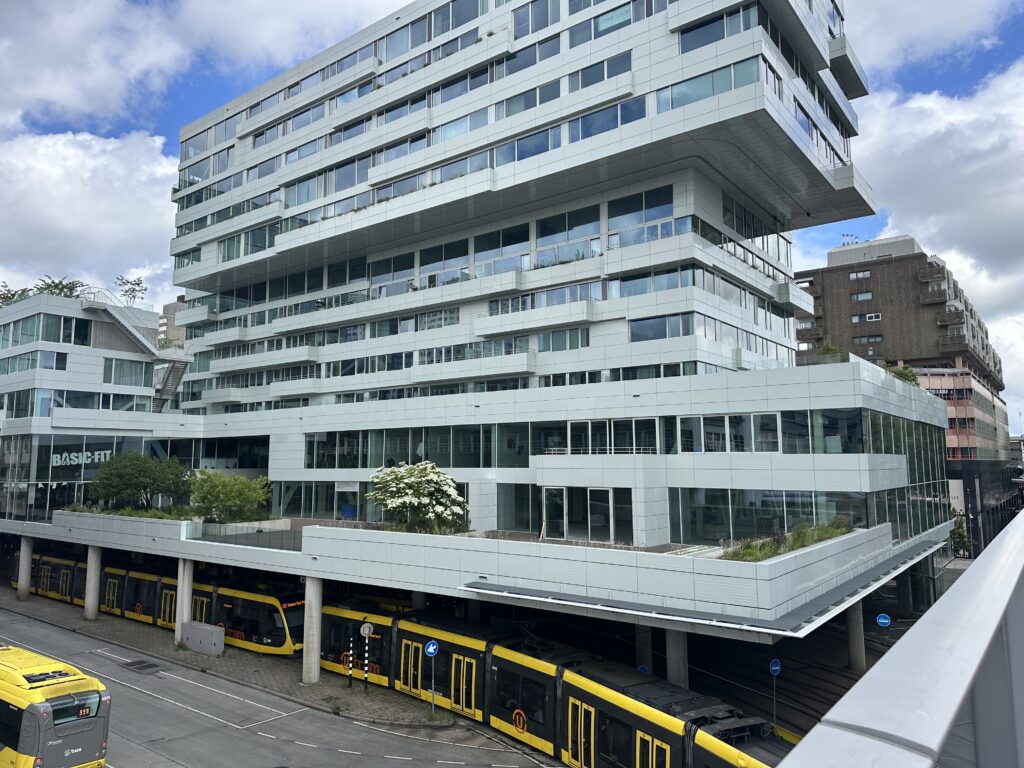
After a quick bite to eat, we explored the station quarter, taking in several notable developments including Wonderwoods, a residential high-rise featuring a “vertical forest” concept designed by Stefano Boeri, and Het Platform, a mixed-use development built above the Uithoflijn tram and bus terminal. Both schemes demonstrate innovative approaches to high-density urban living and transit-oriented development.

We then checked into our hotel, The Anthony, a former monastery of the Franciscan Sisters dating back to 1908. After a brief refresh, we headed to Catharijnesingel, a historic canal that once formed part of Utrecht’s medieval moat system. In the 1960s, the canal was infilled and converted into a motorway, before an ambitious restoration project returned it to its original purpose in the early 2000s.
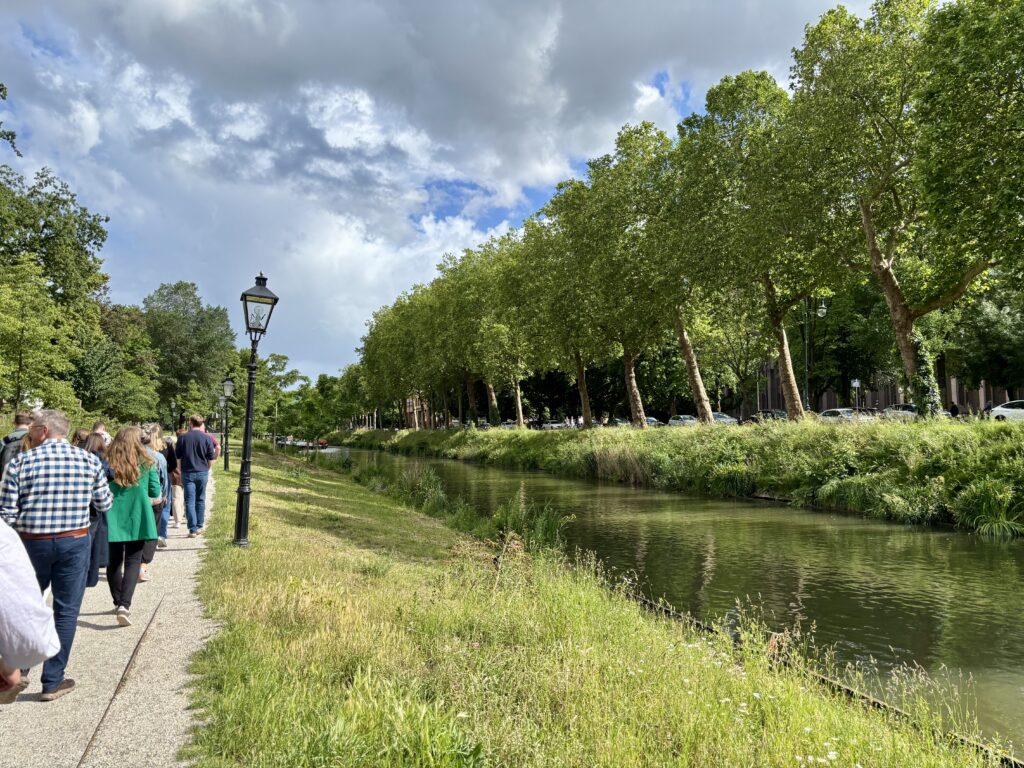
Today, Catharijnesingel stands as a celebrated example of urban regeneration, having received both the European Prize for Urban Public Space and the Rietveld Prize. The project demonstrates how cities can successfully reconnect historic heritage, ecological value and modern urban life. Beyond restoring a lost piece of the city’s identity, it has strengthened wider connections across Utrecht while supporting walkability, climate adaptation and biodiversity.
From there, we continued to meander through the winding streets and lively squares of the historic centre before arriving at our dinner destination for a well-earned feast.
Day Two: Exploring New Neighbourhoods
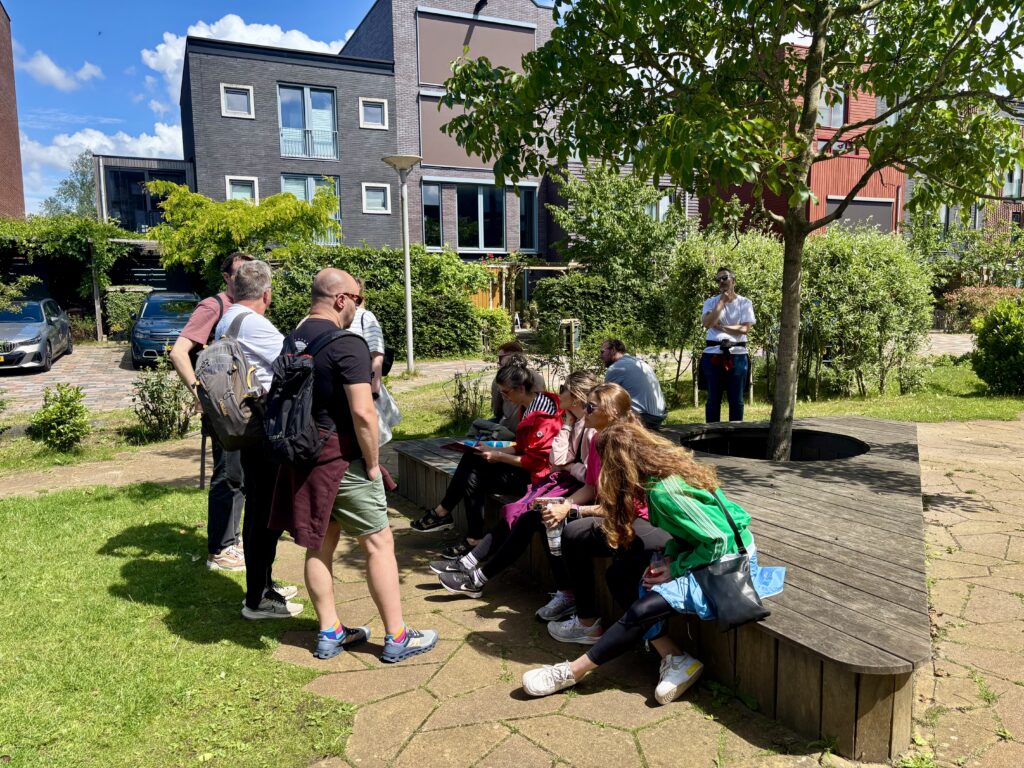
Following breakfast the next morning, the team hired bicycles and set off on a guided tour of Leidsche Rijn, one of the Netherlands’ largest and most innovative urban developments followed by a trip to Veemarkt, a recently developed neighbourhood.
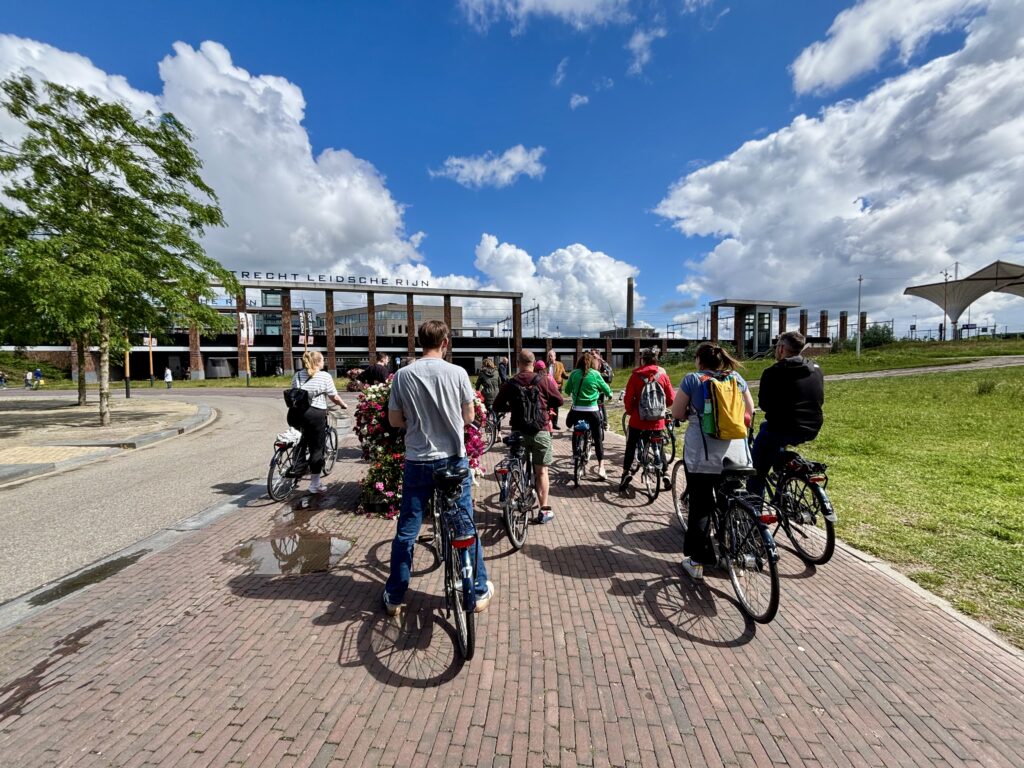
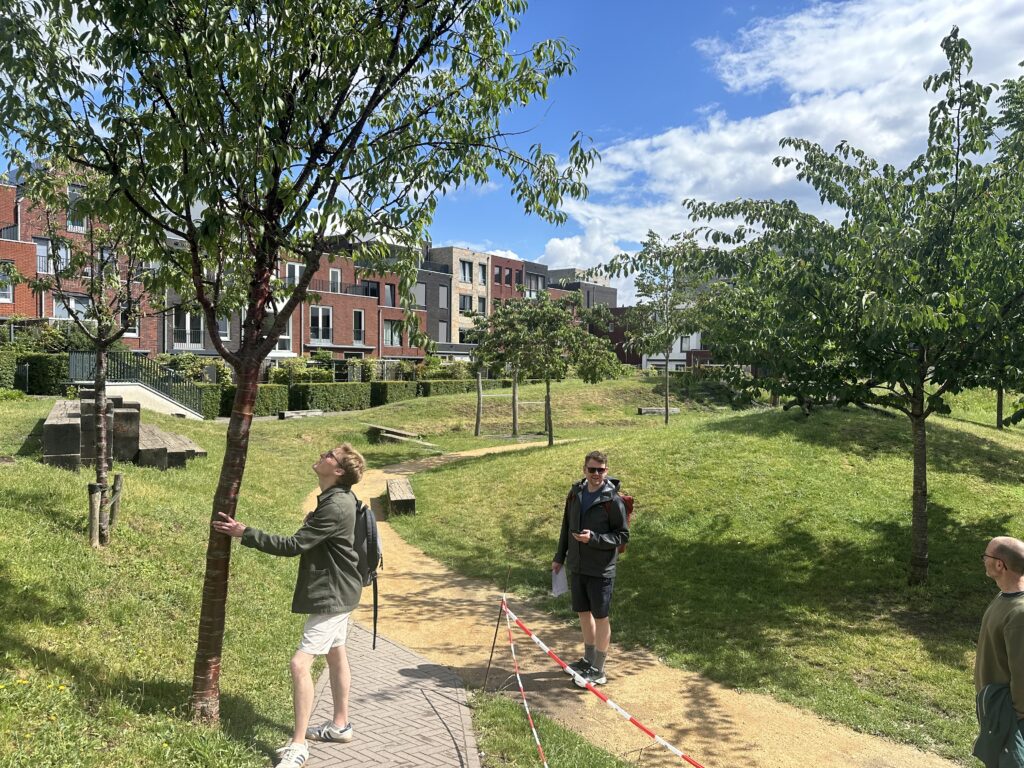
Leidsche Rijn was particularly impressive. Now home to more than 100,000 residents, it has evolved into a thriving residential and cultural district characterised by modern architecture, generous green spaces, extensive cycle infrastructure and family-friendly design. The absence of through traffic creates a remarkably peaceful environment, where cycling routes wind through parks and natural areas, accompanied by birdsong rather than engine noise.
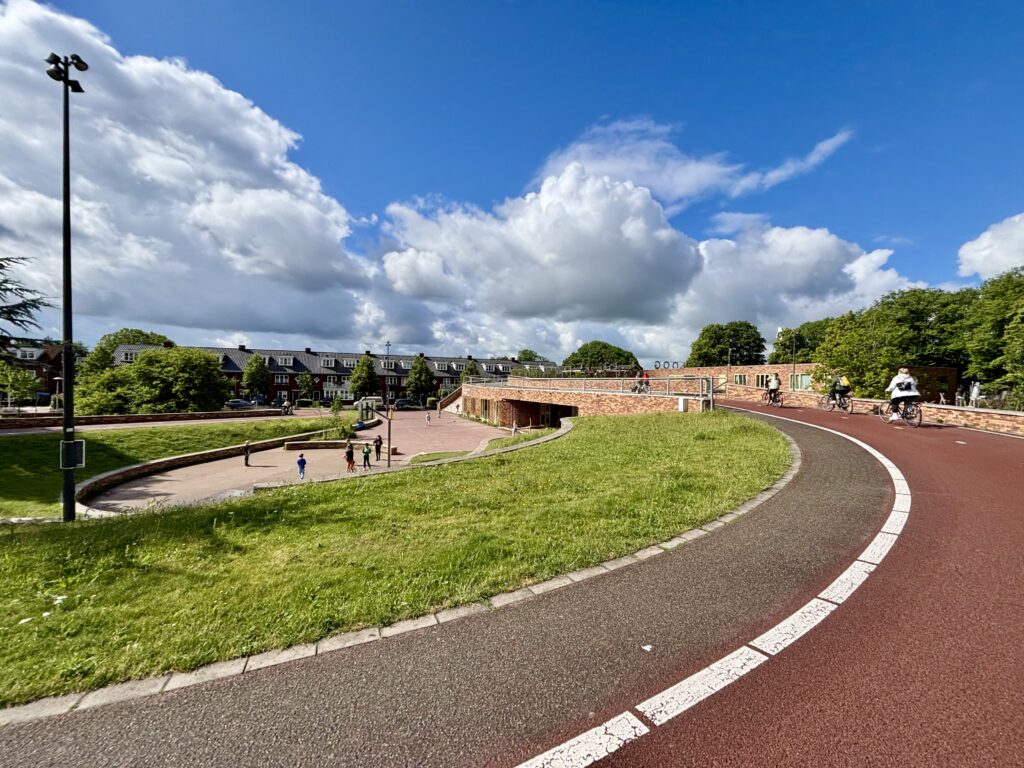
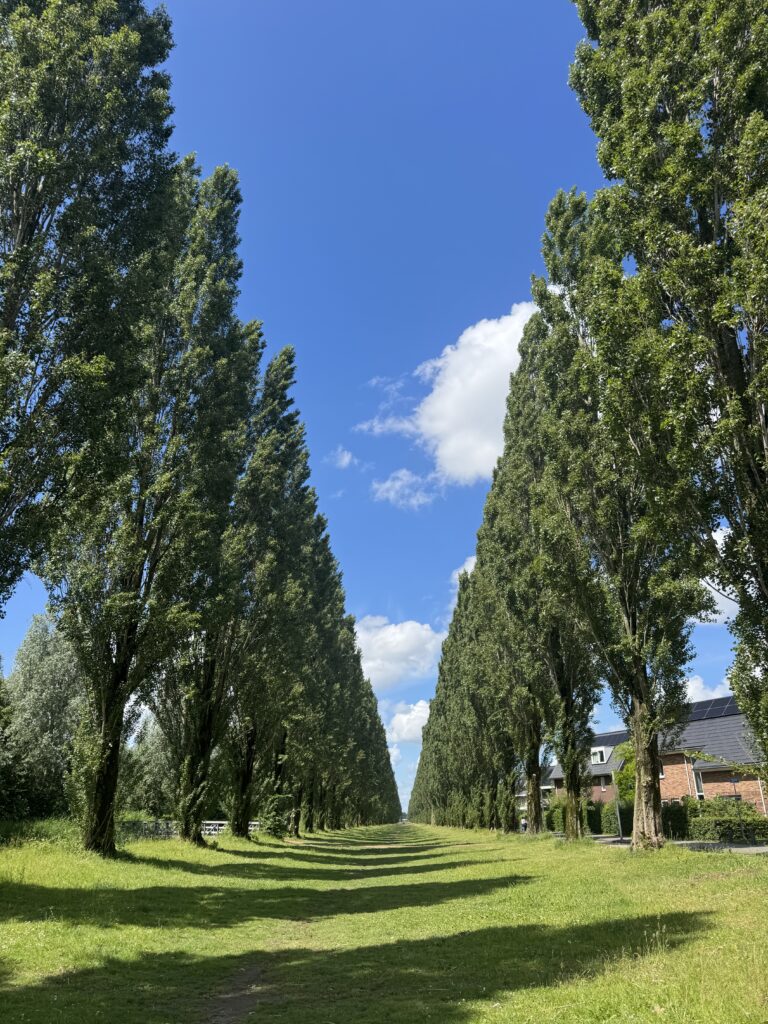
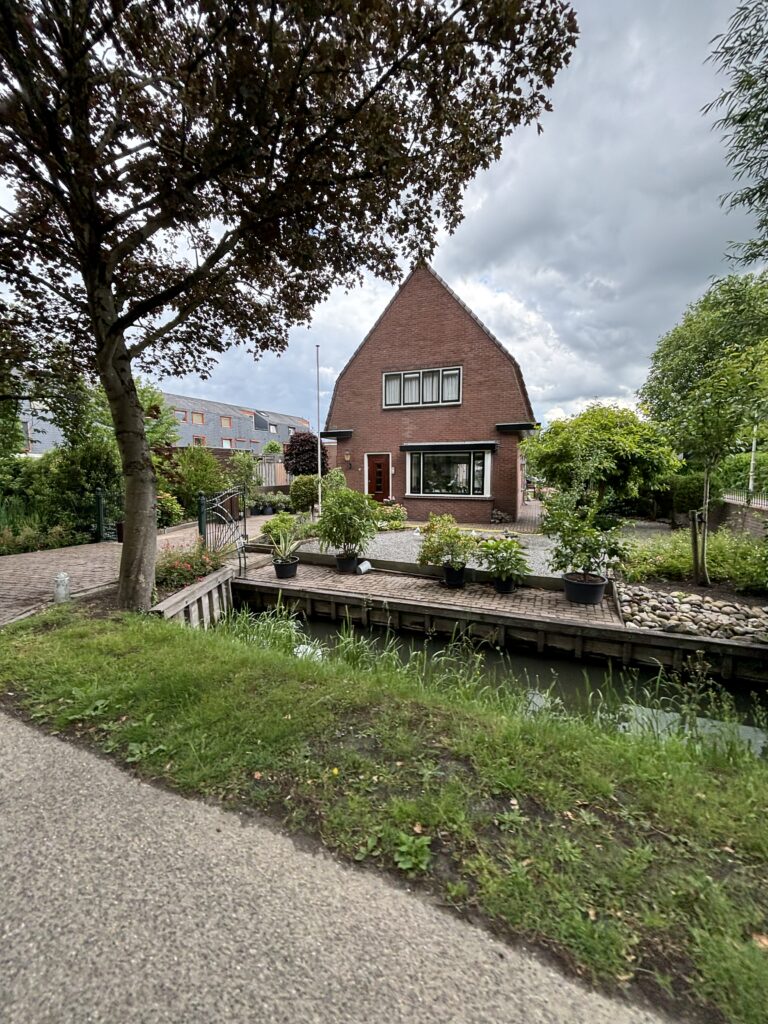
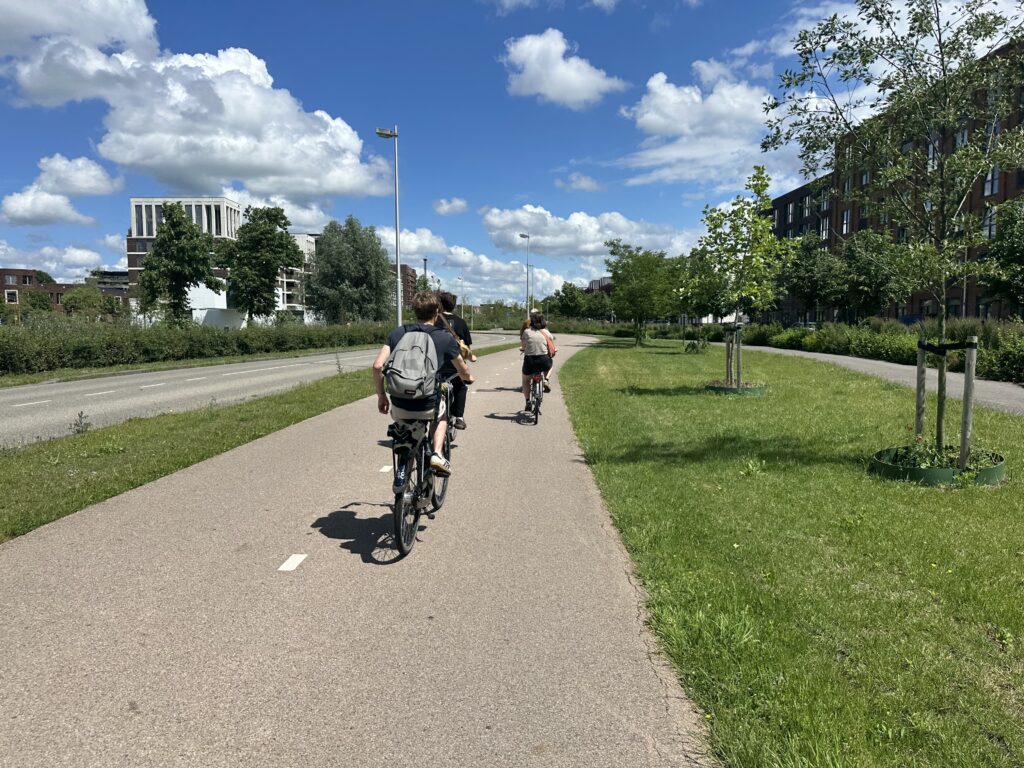
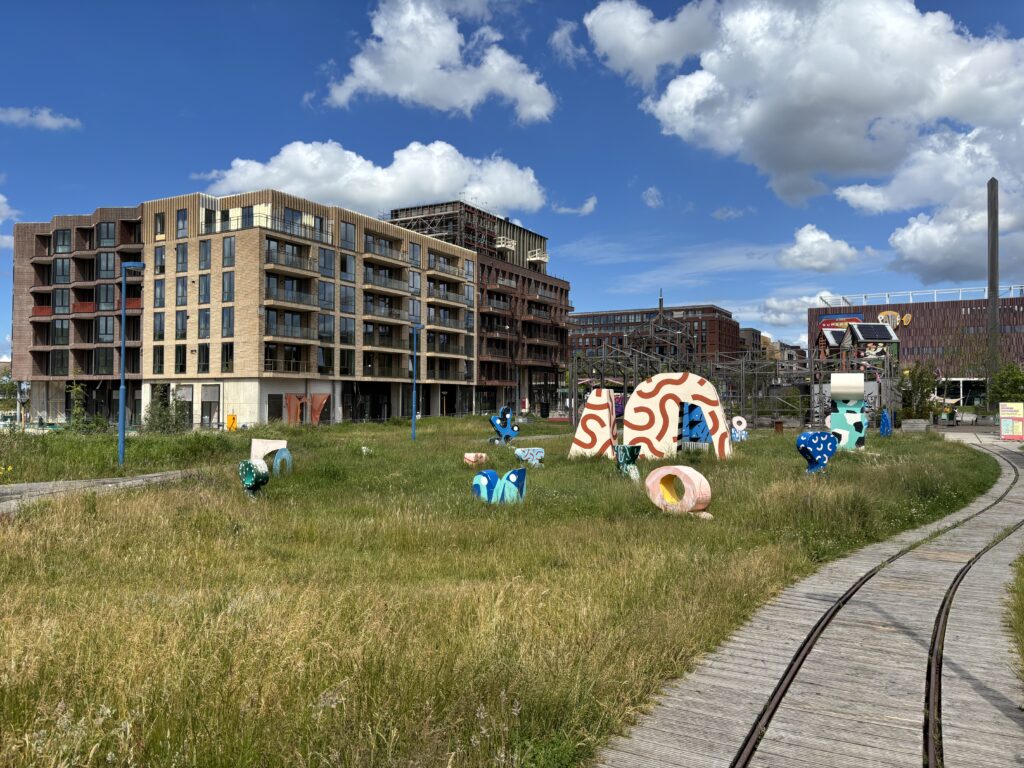
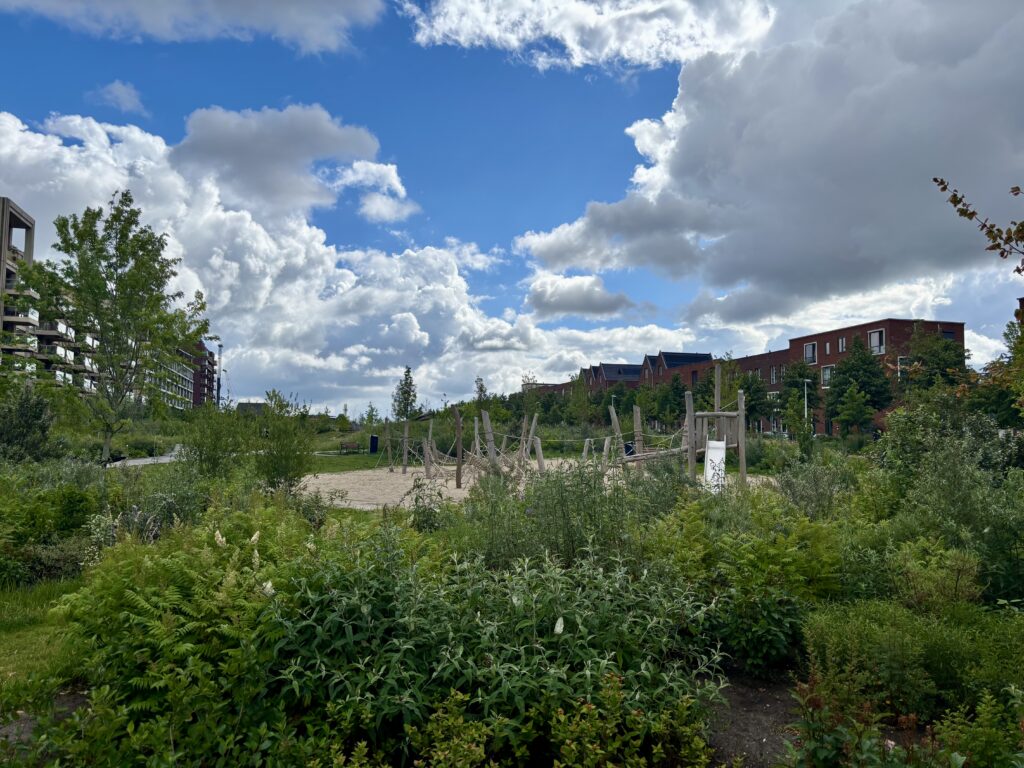
Our guide explained that the area attracts a disproportionately high number of families due to its strong focus on family living. The quality of public spaces, access to amenities and safe active travel routes all contribute to making it an attractive place to raise children. It was a powerful example of how thoughtful planning and design can directly influence lifestyle choices and community wellbeing.
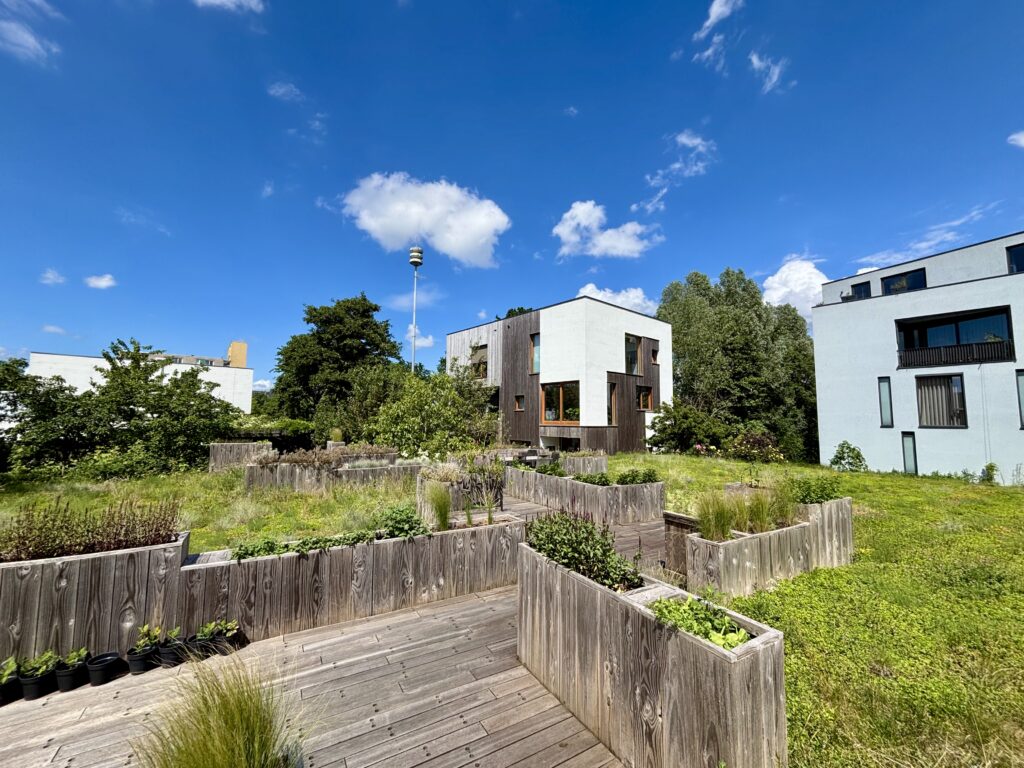
Veemarkt offered a fascinating contrast. Built on the site of a former cattle market, the neighbourhood comprises around 750 homes arranged around a network of green spaces and play areas. The architecture is highly varied, with an impressive range of materials, building forms and house types creating visual interest throughout the development.


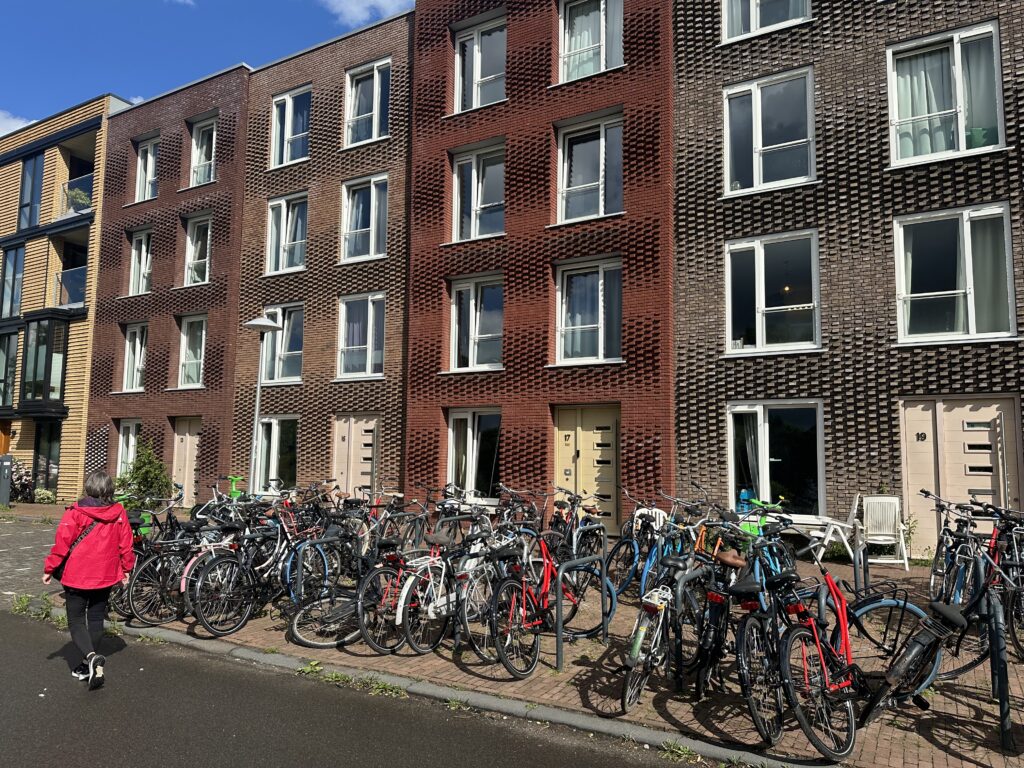

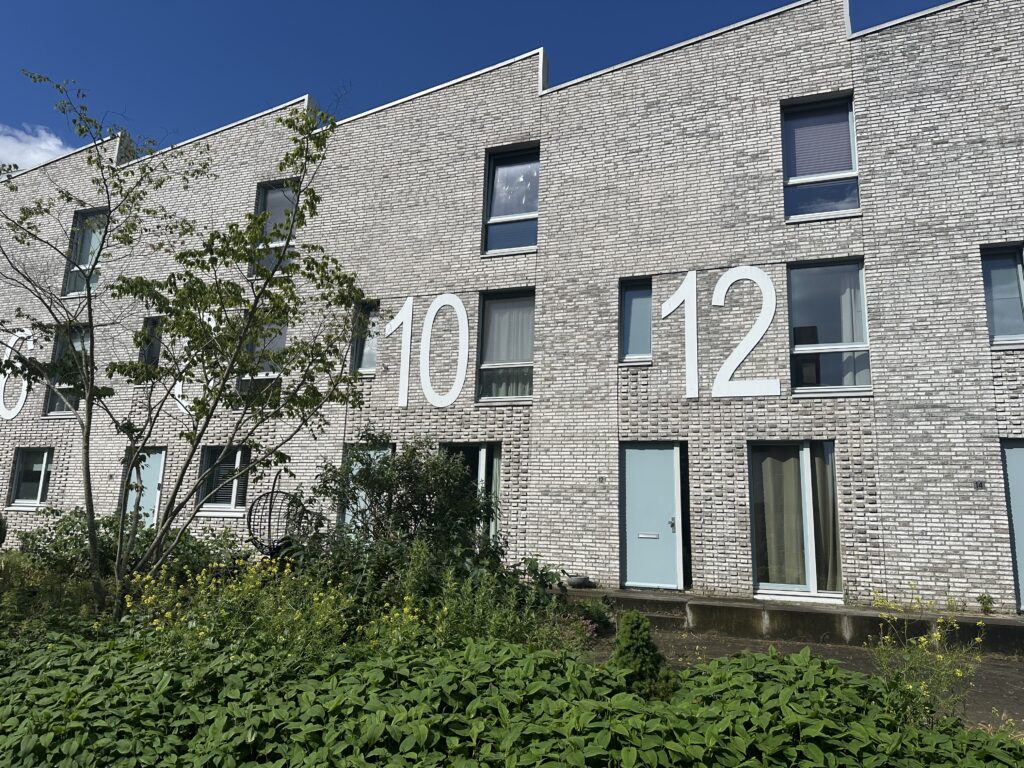
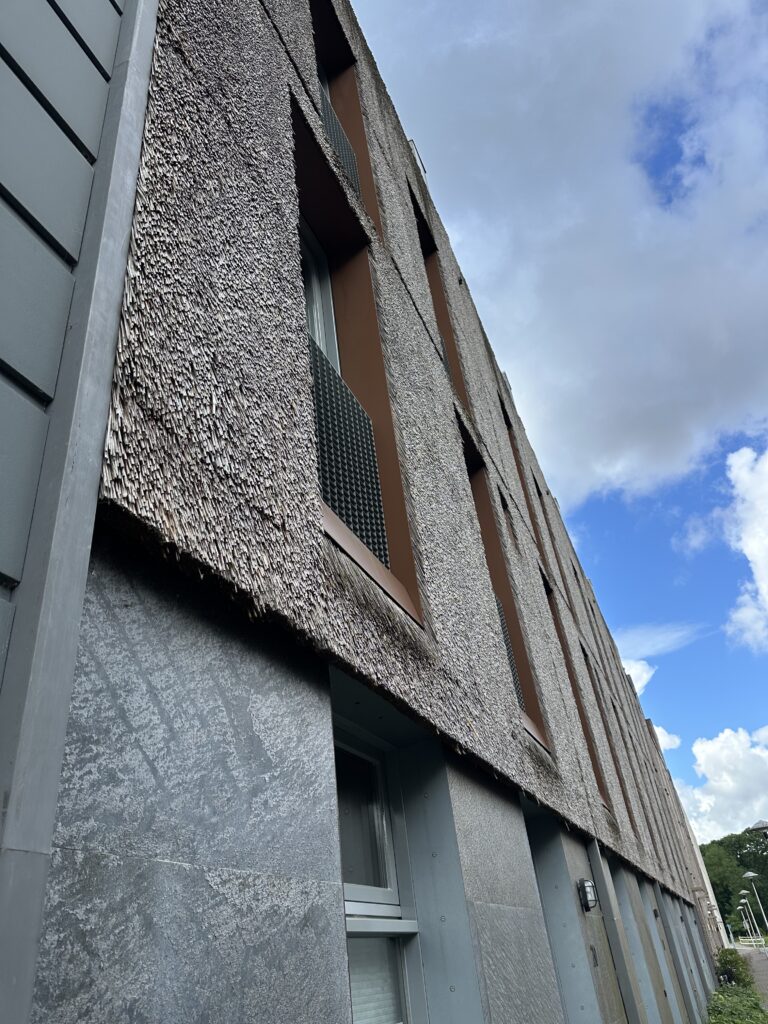

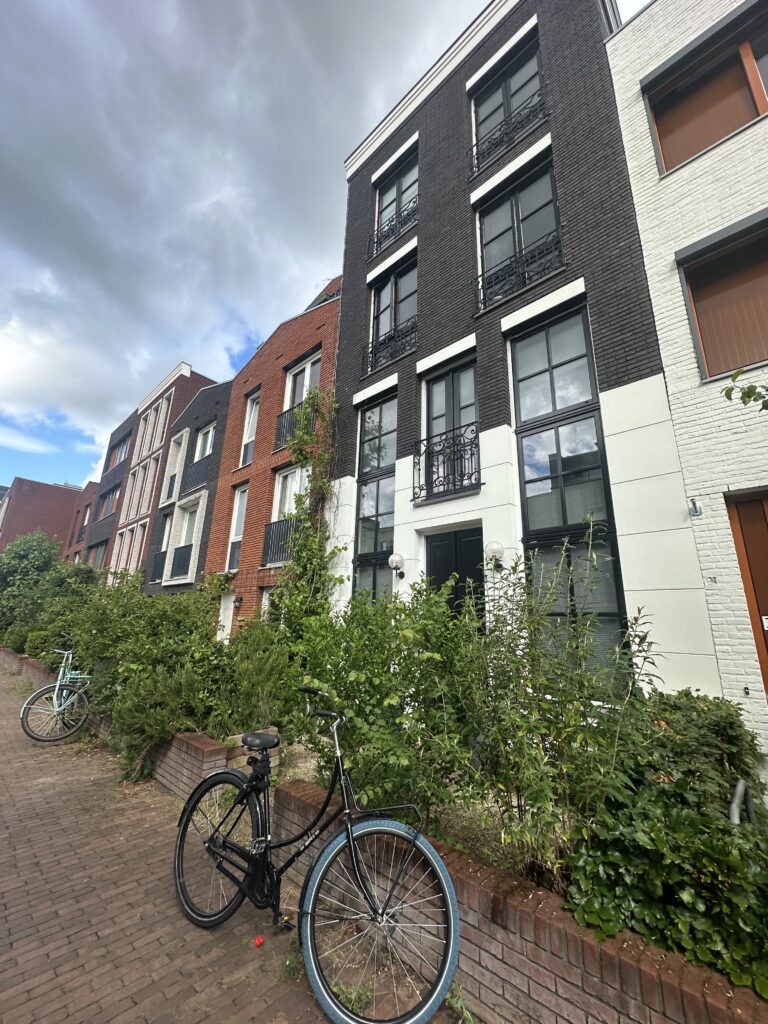
While the quality of the housing and public realm was evident, some of us felt the area lacked the social and commercial amenities that help foster a stronger sense of community. There were few places for residents to meet informally, enjoy a coffee or access everyday services.

After returning to the hotel for a quick refresh, we reconvened and headed into the city centre for another excellent evening meal, followed by drinks beside the canals.
Day Three: Final Explorations
On our final morning, we enjoyed a more leisurely breakfast before splitting into smaller groups for a final exploration of the city. Some chose to wander through the historic centre, while others travelled to Park Oosterspoorbaan, a former railway corridor that has been transformed into a linear park and active travel route for pedestrians and cyclists.
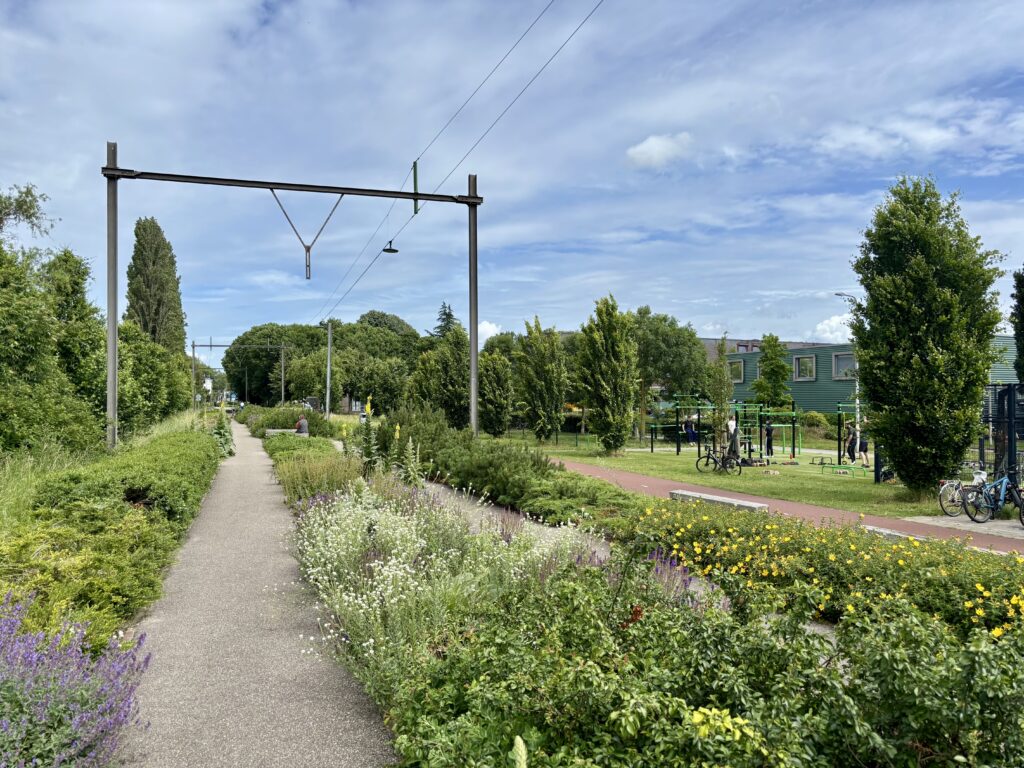
The project provided another excellent example of how underutilised infrastructure can be repurposed to create valuable public space while strengthening sustainable transport connections across a city.
Finally, we reconvened at Utrecht Centraal Station for the journey home. We returned to the UK slightly more tired than when we left, but feeling relaxed, inspired and equipped with fresh ideas to inform our work.
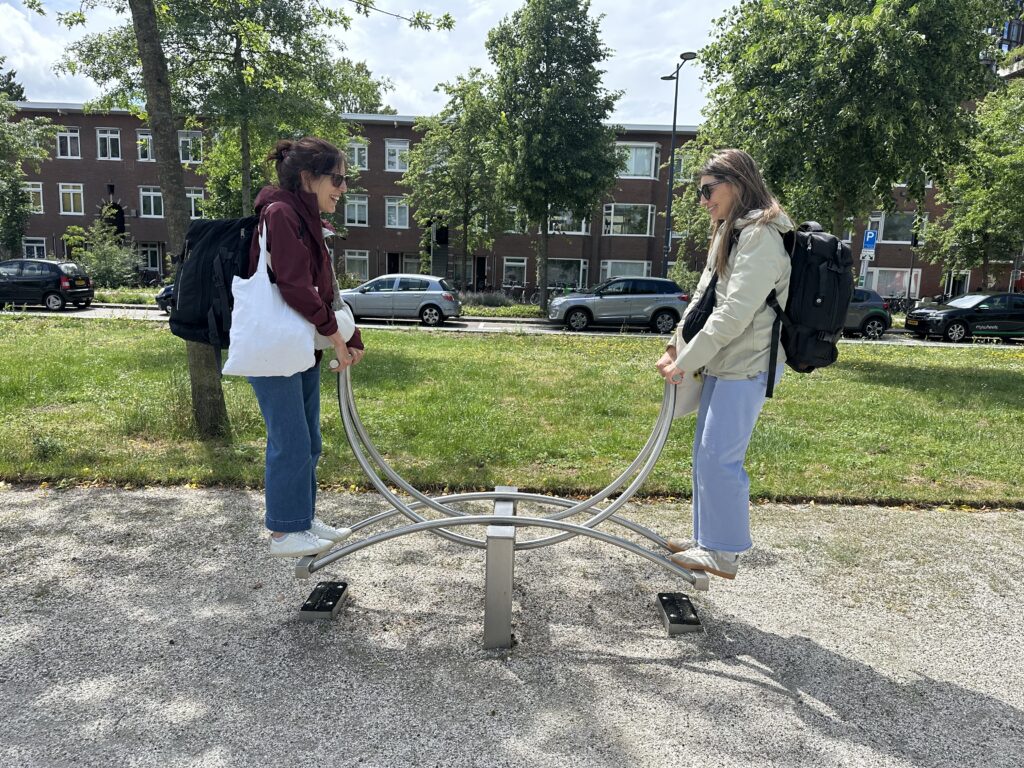
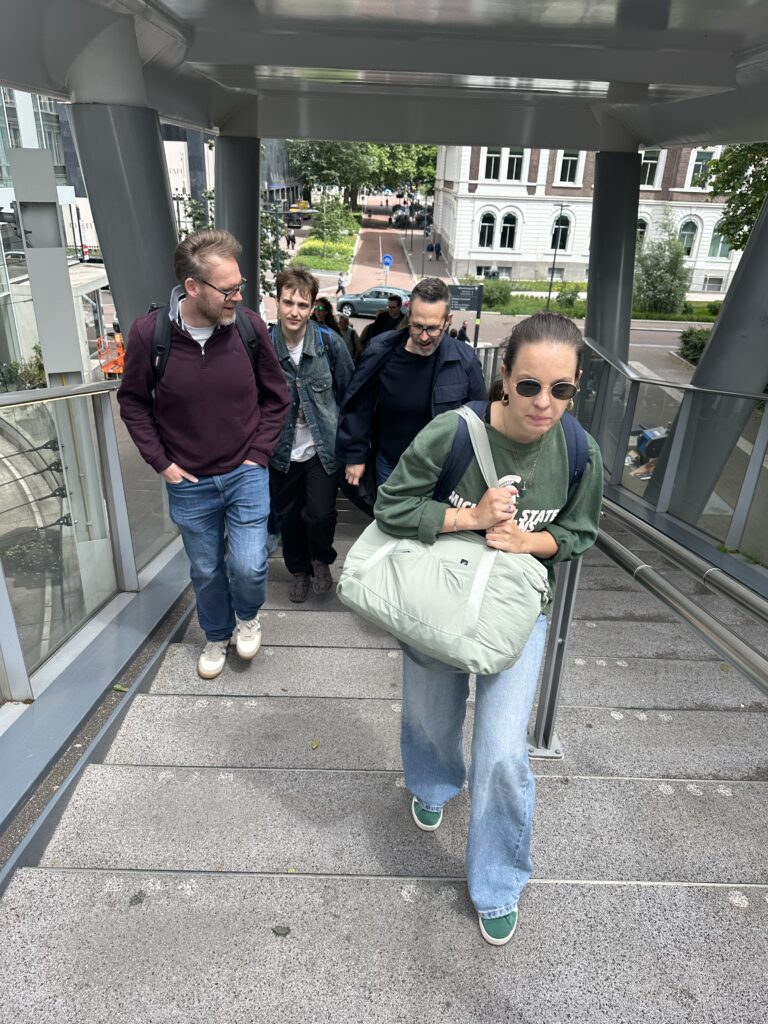
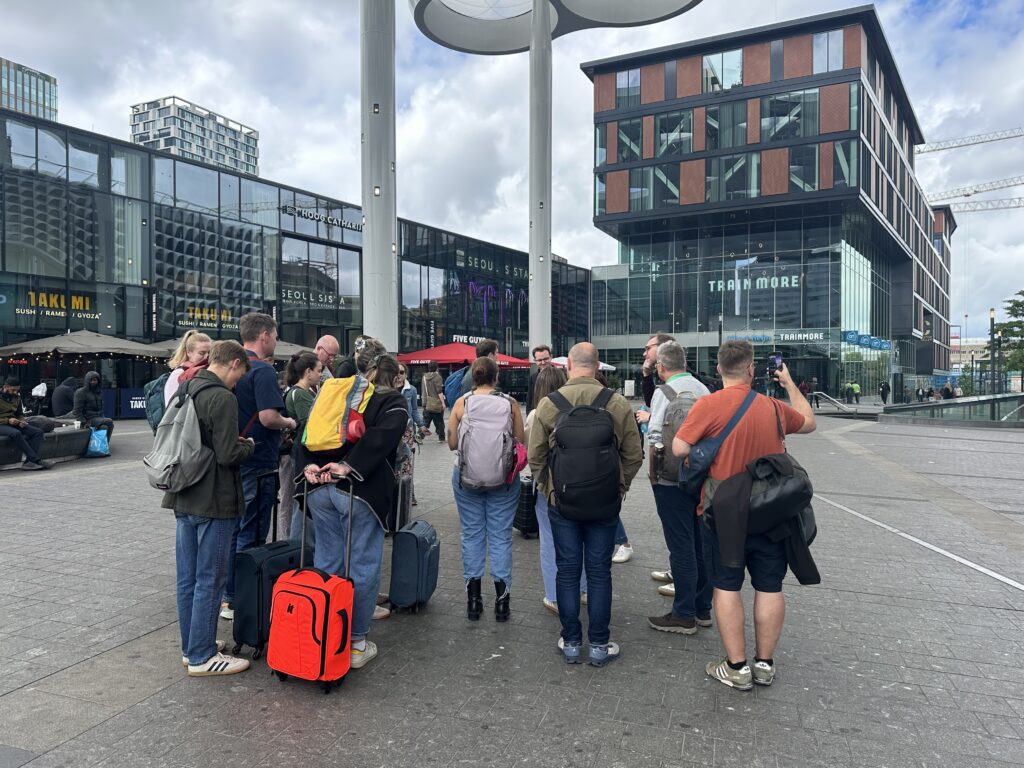
Fundamentally, trips like this are about much more than the places we visit. They offer a rare chance to step away from our daily routines, share ideas and learn from one another in a new environment.


